-
2013-11-29, 11:30 AM
#381

Helixir HRDDAC
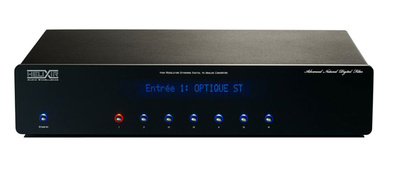
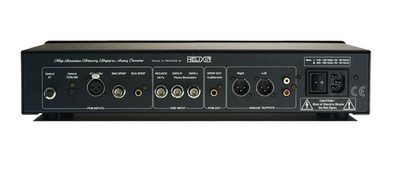
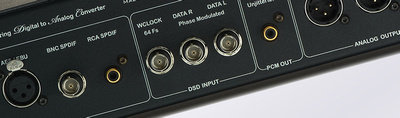
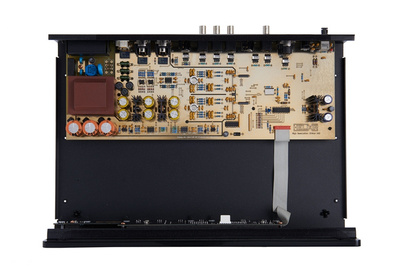
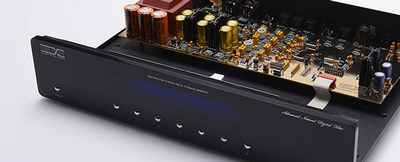
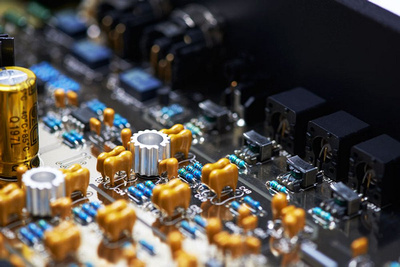
Uses their own Advanced Natural Digital Filter and Dither High Resolution inside two DSP's instead of using normal dac chips
Native 64/128x DSD SDIF2/3 via BNC connectors
32 bit PLL
No oversampling
20 ps jitter
-
-
2013-11-29, 04:13 PM
#382
La Scala MKII D/A Converter
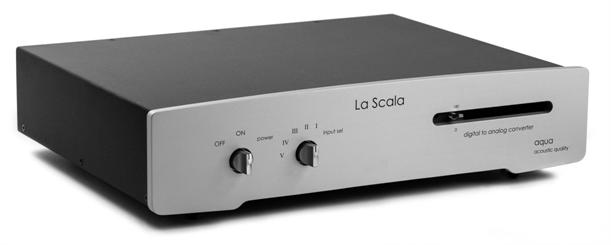
2010年便推出的La Scala D/A 轉換器獲得了相當不錯的評價。
時尚外觀和好音質也受到發燒友的喜愛。這次的新款提升了數位電路的精度。繼承了專用的DFD解碼,不須濾波器輔助,保證了純正精確的數位訊號。MK II並且達到了簡單使用、頻帶寬、快速響應、無鈴振、相較傳統電路較低的輸出阻抗、零反饋、低失真。
FEATURES
• High performance proprietary DFD (Direct From Decoder) digital decoding without digital filter for purest digital signal quality
• Custom designed discrete circuit with high-speed photocouplers for Galvanic and magnetic isolation between Digital stage and Analog DAC ground
• Jitter free digital interface AQlink (I2S protocol), uncompromising digital connection to
La Diva cd transport
• Precision sign magnitude R2R ladder DAC with 4 Burr-Brown PCM -1704K arrayed in a true differential dual mono configuration
• Transformer current / voltage conversion (I / V)
• Zero S/PDIF Jitter design, digital receiver stage PLL (phase locked loop) technology
• High-performance AQ Discrete Regulator (MOSFET, J-FET, BJT) for analog and digital DAC’s power supply
• Valve-Mosfet direct coupling analog stage in pure class-A without negative feedback
• MOSFET Virtual battery circuit for analog anode supply
• Soft-start power up for extended tube life
• etherCON RJ45 (AQlink) input connection, employs CAT6 cable can connect both RJ45 and professional etherCON RJ45
• 2 separate low noise power transformers, one for the analog and one for the digital section
• MODULAR DESIGN with upgradeable multi board system
• Regulated DC filament supplies with soft start for tubes
• Fully discrete analog stage, not even a single Op-Amp is used
• Proprietary USB Firmware / driver :
Apple MAC OS - Linux OS : USB asynchronous native support, no need to install drivers software
• Fully upgradeable asynchronous USB module with resolution up to 24 bit and 192 KHz, operates with computers running OSX 10.7 and above, WINDOWS XP, 7 and 8 ASIO - WASAPI bit perfect high-speed
• Digital phase selector on front panel
• High-quality parts selected for sound quality:
- 105° long life capacitors
- low noise Metal Foil ultra-precision resistors
- double metallized film pulse capacitor
- ultra-fast diodes
- halogen free cables
• Aluminum anti-resonant cabinet with Nextel
• Designed and handmade in Italy
• Input:
- etherCON RJ45 AQlink (I2S serial bus) - 24 bit / 384 KHz
- AES/EBU balanced 110 ohm - 24 bit / 192 KHz
- BNC coax (S/PDIF) 75 ohm - 24 bit / 192 KHz
- RCA coax (S/PDIF) 75 ohm - 24 bit / 192 KHz
- USB port - 24 bit / 192 KHz
- AT&T (ST Fiber) - 24 bit / 192 KHz (optional)
• Analog output:
- RCA single-ended
- XLR balanced symmetrical
SPECIFICATIONS
Native Sample Rates Supported
S/PDIF - AES/EBU :
24 bit / 192 KHz
AQlink - I2S serial bus :
24 bit / 384 Khz
Asynchronous USB
(High Speed)
USB Type B
Digital Receiver
PLL (phase locked loop) technology 128 or 256 FS internally selectable
AQlink (I2S bus)
CMOS level
Digital filter
Proprietary DFD (Direct From Decoder) digital decoding without digital filter
Oversampling factor
1x
Expansion slot
Optional digital decoder board for future expansion
Digital to analog conversion type
Multibit sign magnitude R2R ladder (upgradable)
Analogue Outputs
UNBAL 2 RCA Output 2.6 V RMS
BALANCED (symmetrical output) 2 XLR Output : 5.2V RMS
Current / voltage conversion (I / V) Transformer (I / V)
Output Impedance
100 Ω RCA - 200 Ω XLR
Load Impedance
10 k Ω (min.)
Frequency Response
20Hz to 20kHz +0.5dB/-0.5dB
Phase Response
Linear phase
THD + N
<0.1% 1KHz -20dB
Front Panel
Power, input selector, Phase Invert switch
Power Consumption
100-115V / 220-240V; 50 or 60Hz - 58VA
Dimensions
( W x D x H ) 450 x 370 x 100 mm
Weight
kg
Front finish
Satin Alu Silver or Satin Black
Case finish
Grey Nextel powder coated
此篇文章於 2013-11-29 04:43 PM 被 Ted Chen 編輯。
-
-
2013-11-30, 10:47 PM
#383
-
-
2013-12-01, 09:11 AM
#384
-
-
2013-12-10, 11:31 PM
#385
擁有HDMI輸入,可解碼到LPCM 24/96K,Blu-Ray內的立體聲
4 Digital and 2 Analog Inputs + A / D and D / A Conversion Make The HDACC The Most Versatile Preamp or DAC On The Planet
St. Petersburg, FL—Dec 1, 2013….Essence™ has announced the arrival of world’s first DAC under $700 that includes an HDMI input for the uncompressed native LPCM 24/96K stereo soundtracks on Blu-ray. The target market is audiophiles with high end 2 channel analog preamps who want to add Blu-ray HD Audio as a source without using video, no display is required. The owners of AVR’s or PrePro’s built before 2008 lack the right version of HDMI to enable playback of the uncompressed soundtracks as well. The HDACC is a bridge to the digital world for all those analog systems still in use around the world.
The HDACC outputs analog stereo on balanced XLRs or RCA stereo jacks and also features additional digital inputs for Asynchronous USB 2, Optical, and Coaxial digital plus 2 analog inputs with A to D conversion for older content on vinyl or tape .The Hi Def Audio Control Center (HDACC) sells for $699 MSRP and includes remote control switching and volume control, making it two products in one; it can be used as a versatile digital preamp or as a DAC.
The crisp OLED display is easy to read from a distance, the native resolution of the source and how its output after conversion. A separate headphone output is amplified with selectable impedance control.

Many audiophiles have not yet upgraded to Blu-ray because their current stereo system lacks digital inputs. All 2 channel Preamps and Preamp/Processors built before 2008 are unable to connect by HDMI v1.3, the minimum necessary version of HDMI with HDCP compliance required for playback of the highest resolution uncompressed HD audio content. The other outputs like USB or Coax/Toslink down-rez the audio output to the previous standard, still compressed 2 to 1. The HDACC is a digital hub controller to accommodate the growing list of digital sources in addition to Blu-ray; SACD, CD, PC’s, iPods, Tablets, Servers, Networks, Smartphones, Satellite radios, and more.

Reached at his office in St. Petersburg, FL, AV industry veteran and Essence™ CEO Bob Rapoport, who has been the leading advocate for the adoption of Blu-ray audio for several years said “I believe music is the essence of life. Blu-ray audio puts us closer to the original recording than any previous format; it’s the perfect add-on for audiophiles with analog 2 channel systems because it includes the protected HDMI input/output as well as inputs for all the other digital sources. For the first time, the full frequency bandwidth and dynamic range, bit for bit identical to the original master recording, is available for playback on home systems that only support analog stereo, the end of a long journey in search of the holy grail of high fidelity for many audiophiles”.
Concerts by the world’s leading artists on Blu-ray are stunning, combining uncompressed audio with uncompressed 1080p video to produce a sensory experience that has never been possible at home. New Pure Audio Blu-ray releases by Universal Music of famous catalog classics by Marvin Gaye, Supertramp, Velvet Underground, Bob Marley, Nirvana, and many more are now shipping.
The HDACC is an audio only device that can pass the native 1080p HD video through to an HDTV from its HDMI output, fully HDCP compliant. The HDACC supports HDMI v1.3 on pass through, only extracting the LPCM 24/96K stereo soundtrack for conversion. Video is not required to hear the audio so no display is required.
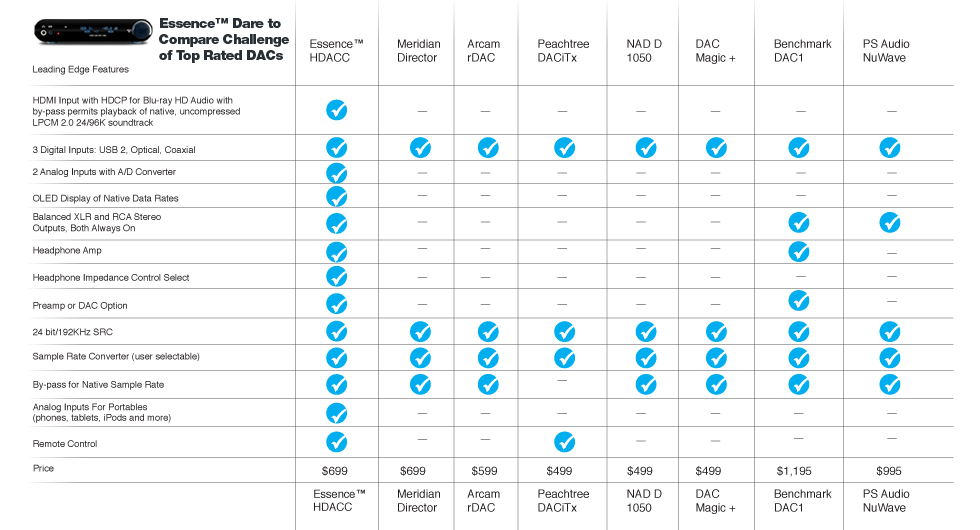
A new comparison chart of the top rated DACs exposes how the HDACC outperforms everything else on the market. The HDACC is in stock and shipping.
Dealers and distributors can contact Bob Rapoport at 727-866-9767 or [email protected] for more information.
-
-
2013-12-11, 07:49 PM
#386
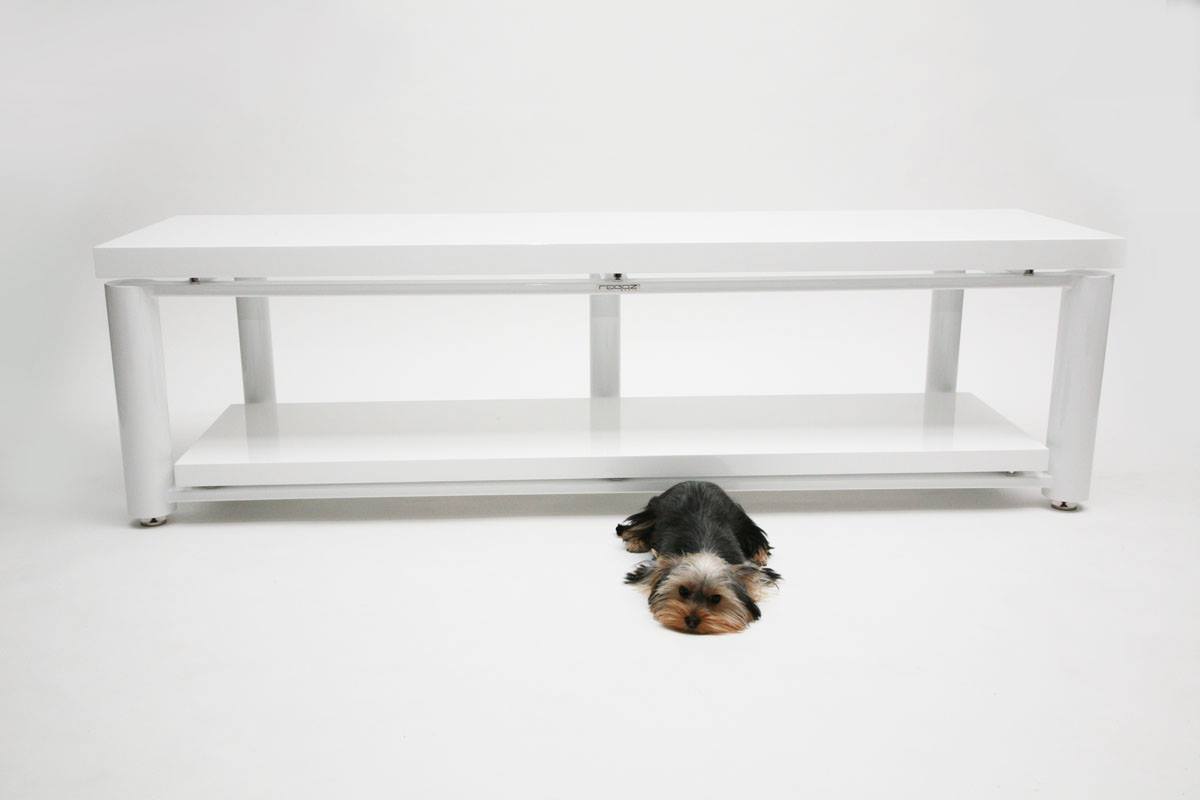
ROGOZ AUDIO ANTI-VIBRATION AUDIO STAND 5SPW2/BBS
2-level, five-legged stand with glossy piano white finish shelves. Suitable for up to six audio devices. The frame contains quartz sand ballast (bolted holes in the legs make it possible to change the amount and kind of ballast). The frame color: piano white (glossy). The top shelf is 50 mm thick with sandwich structure and is optimal for analog gramophones and digital signal sources. The bottom shelf is 40 mm thick and have a similar structure. All the shelves are separated from the stand frame by the Balancing Board System. BBS has kinematic and dynamic qualities which enable isolated masses to “float” to the sides relative to the system axis, maintaining point support at the same time. BBS also makes it possible to level the stand shelves.
Anti-vibration stands are designed for high end audio components. The frame has been tuned by a suitable combination of alloy steel and high-fiber content steel. The frame consist of extra-strong legs made of carbon steel S235JR (which is used for load-bearing stuctures subject to heavy dynamic load, e.g. in cranes) connected by crosspieces made from higher-strength alloy steel S355. Adjustable anti-vibration spikes are used for for high-precision leveling.
TECHNICAL DESCRIPTION
Overall height: 458 mm
Overall width: 1600 mm
Overall depth: 590 mm
Leg profile: steel pipes (Ø 76.1 mm – front,
Ø 60 mm – back)
Top shelf: 1600 x 590 x 50 mm
Bottom shelves: 1420 x 530 x 40 mm
Usable distance between the shelves (moving upwards): 270 mm
Maximum load for each shelf: up to 200 kg (total: 400 kg)
Ballast: quartz sand
A COMPLETE SET INCLUDES
1 steel frame
2 shelves
5 height-adjustable spikes
BBS under each shelf
5 massive anti-scratch disks protecting the floor
The Balancing Board System
The audio stand structure incorporates a new proprietary Rogoz Audio antivibration system, BBS (Balancing Board System, Patent P.404137 Pending). The system consists of a threaded, height-adjustable spike made of high-fiber-content steel alloy, on top of which two elements are placed, each with an inner bearing. An intermediary (middle) element is made of carbon fiber and supports another element, a steel bearing inserted into the shelf. Point contact between the steel spike and the carbon intermediary element prevents movement of either element relative to its axis, but it allows pendular motion. Meanwhile, the contact between the intermediary element and the bearing inserted into the shelf allows restricted rolling motion and sliding motion. Consequently, the advantages of spike point support (contact area has been minimized and kinetic energy turns into heat) have been combined with the effects of deadening vibrations owing to to sliding friction and rolling resistance.
-
-
2013-12-16, 10:52 PM
#387
-
-
2013-12-18, 10:53 AM
#388
-
-
2013-12-26, 12:01 PM
#389
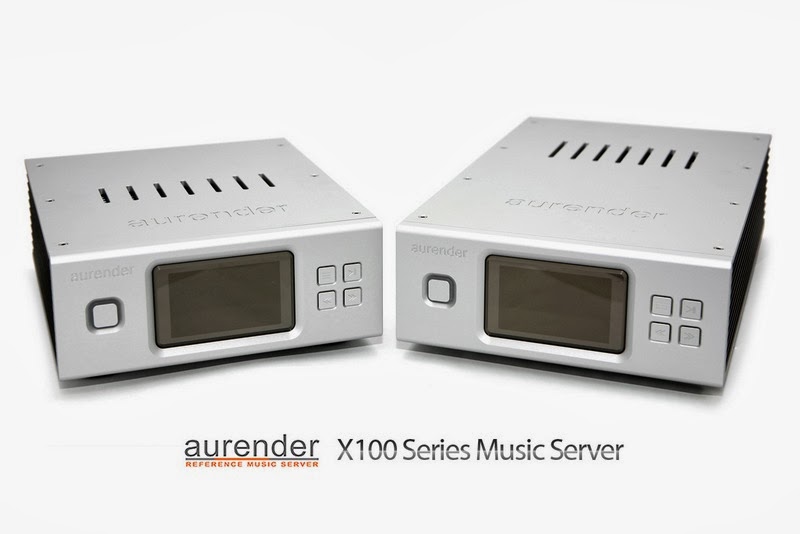
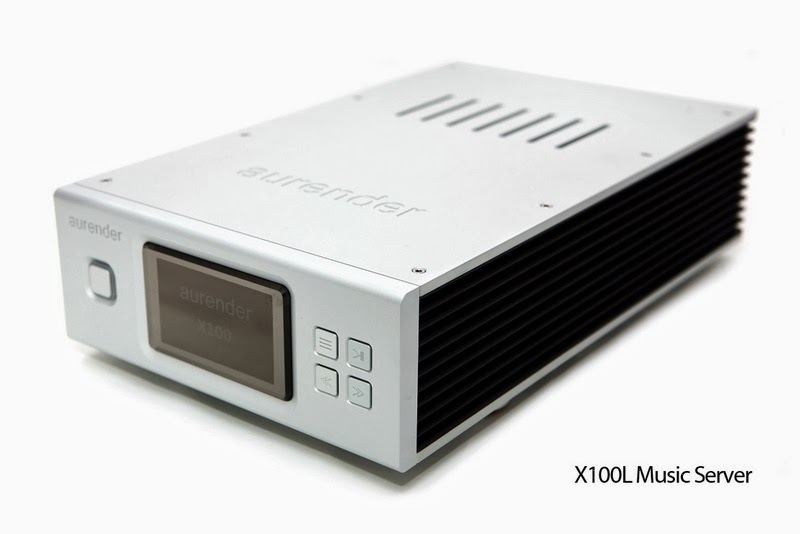
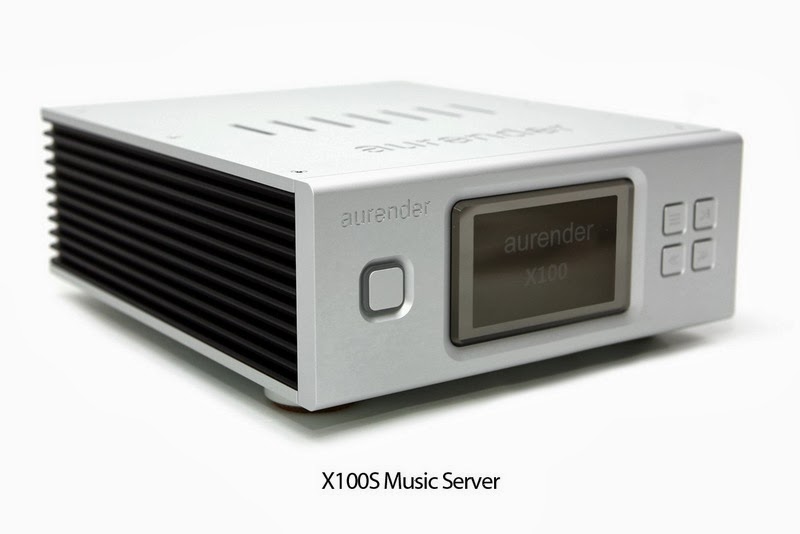
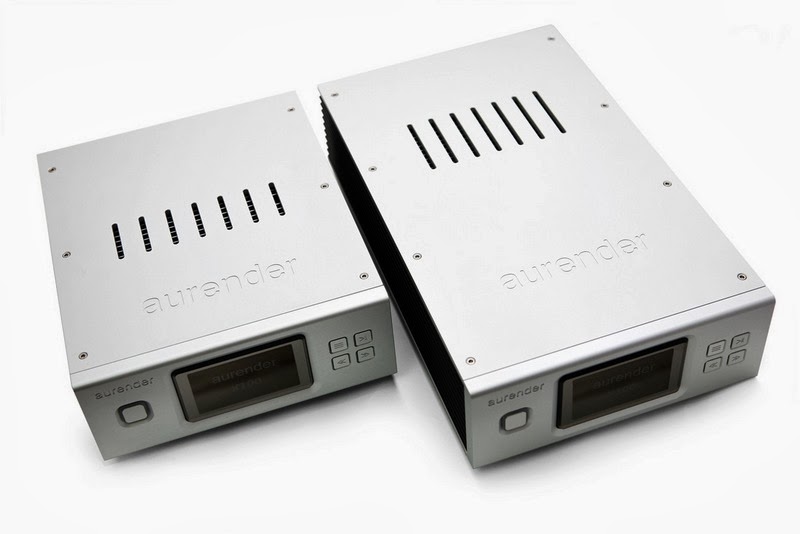
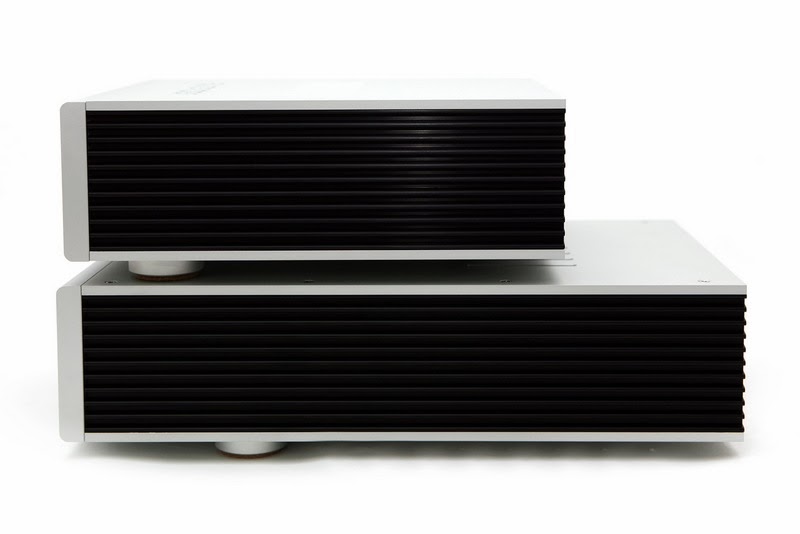
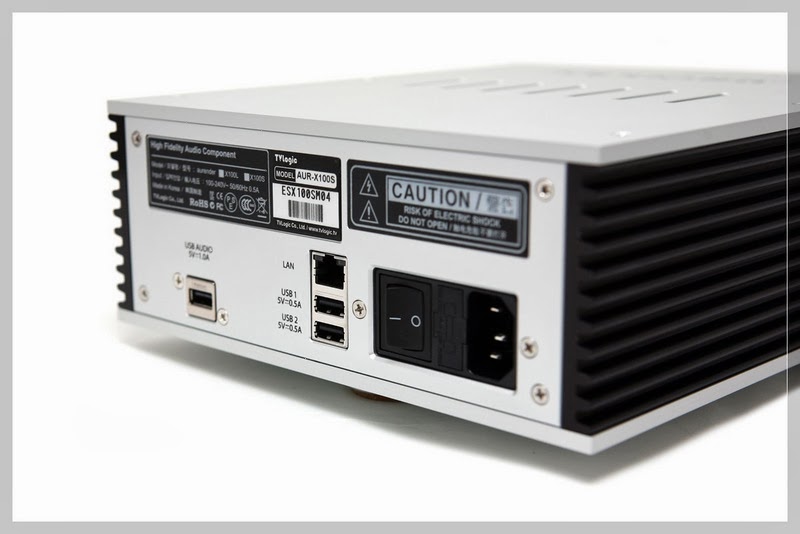
Aurender X100 Series Music Server
官方網站目前顯示有 aurender W20 和 aurender S10 兩款產品,都是以iPad做為控制器的音樂伺服器。
最新的X100也是一樣,而且都有SSD固態硬碟。
目前官方網站沒有X100的詳細資料,所以另外再列出 W20 和 S10的規格表供參考。
Specification
Control
Aurender Conductor for iPad Series
Storage
X100L - 6TB HDD & 120GB SSD
X100S - 1TB HDD & 120GB SSD
Output
USB 2.0
Format
AIFF, ALAC, FLAC, WAV, M4A, APE, DIFF, DSF
Size
X100L - 215x83x355mm
X100S - 215x83c257mm
Weight
X100L - 7,5 kg
X100S - 5 kg
| Player Software |
aurender iPad* App |
| Clock |
OCXO |
| HDD Capacity |
3TB x 2 |
2TB x 1 |
| SSD Capacity |
240GB x 1 |
64GB x 1 |
| Digital Outputs |
Coaxial, Optical, 2 AES/EBU, BNC, custom designed port for USB Audio Class 2.0 |
Coaxial, Optical, AES/EBU, USB Audio Class 2.0 |
| Digital I/O |
1 Gigabit LAN, 2 x USB 2.0 |
| Word Clock Input |
BNC |
- |
| Control |
via iPad and front panel |
| Protection Features |
UPS, FLASH Recovery |
Software Recovery |
| Audio Power Supply |
LiFePO4 (LFP) Battery |
Linear Power Supply |
| CPU Power Supply |
Fanless 100W SMPS |
Fanless 50W SMPS |
| CPU Board |
Developed in-house |
Mini-ITX |
| Main Memory |
4GB |
2GB |
| HDD Isolation |
Thick solid aluminum HDD enclosure, rubber damping |
Shielded from audio circuits using thick aluminum partitions, rubber damping |
| Formats |
AIFF, ALAC, FLAC, WAV, M4A, APE |
| Power |
220V AC or 110V AC |
| Dimensions |
430mm x 106mm x 370mm |
430mm x 96mm x 353mm |
| Weight |
19kg |
14kg |
| Color |
Silver/Black |
| Status |
Available from April 2013 |
Available Now |
-
-
2013-12-26, 11:05 PM
#390
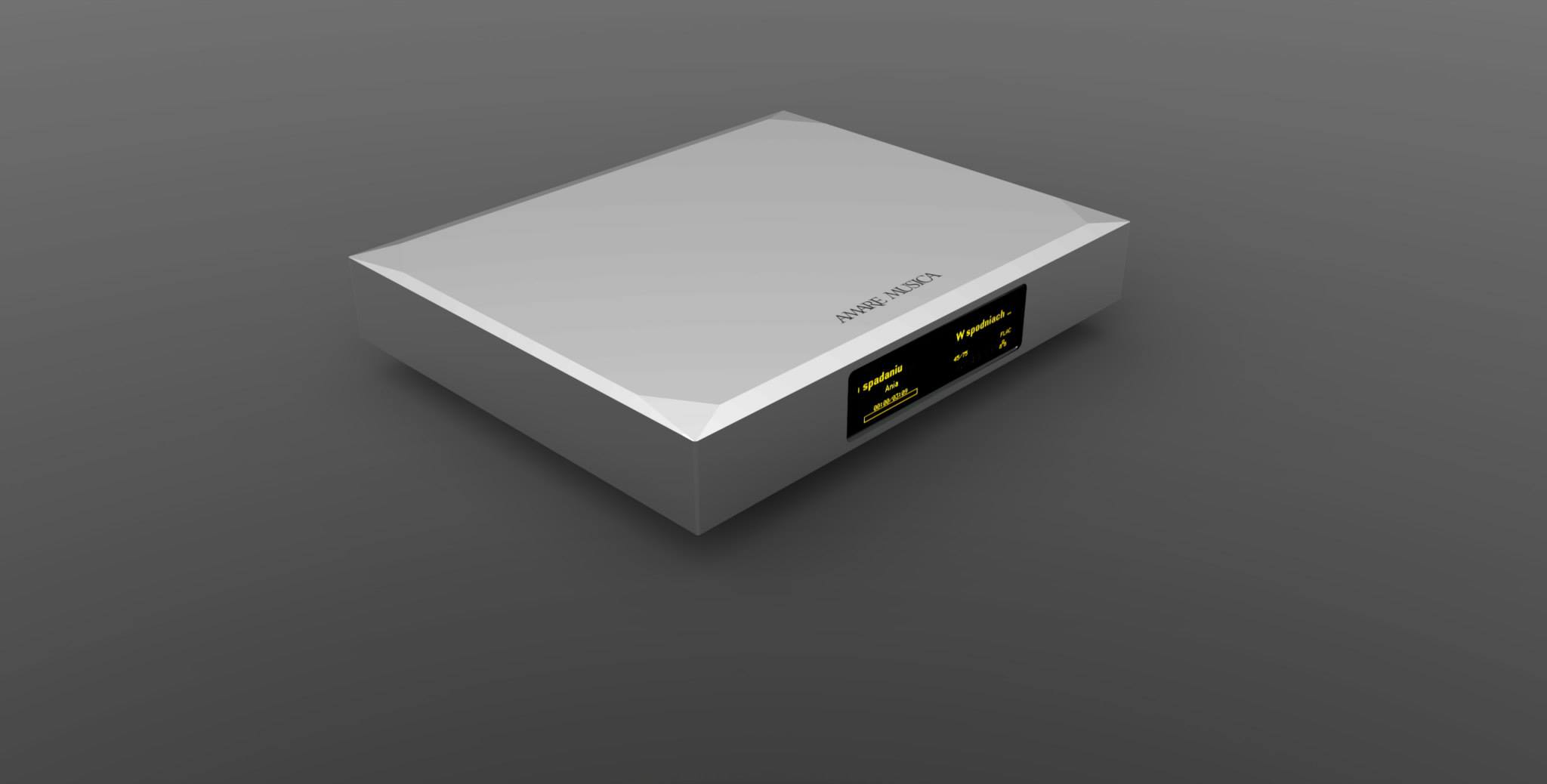
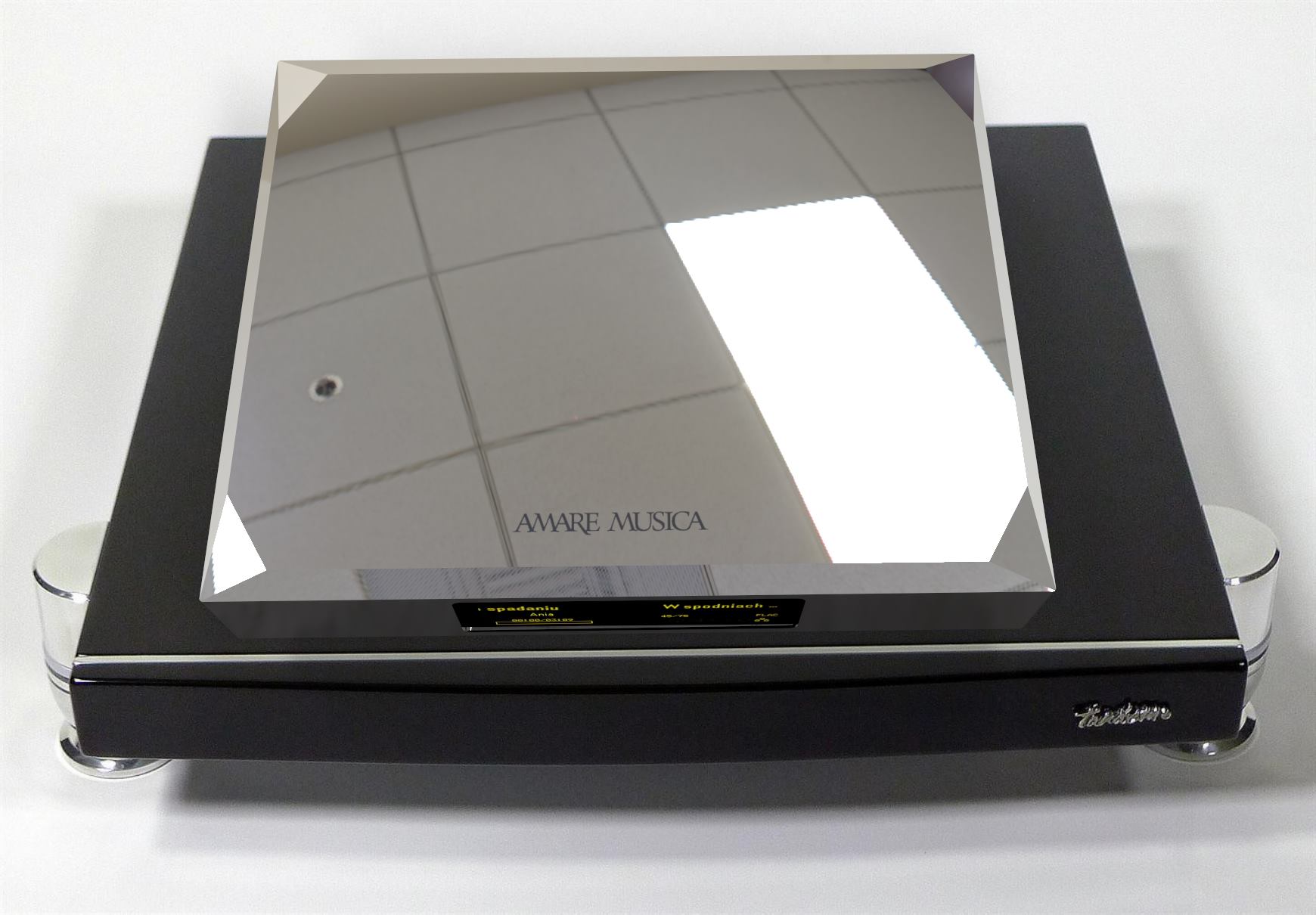
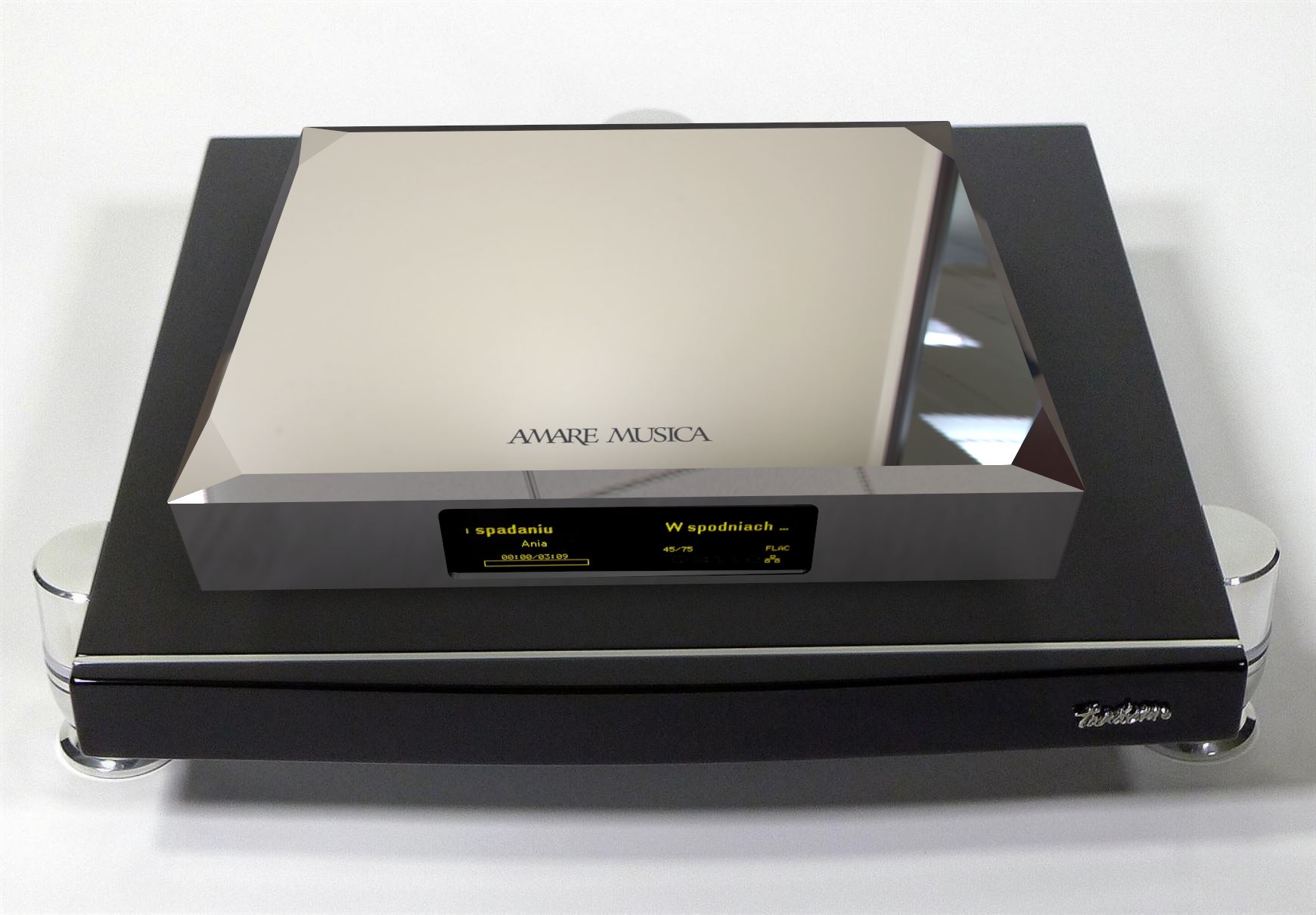
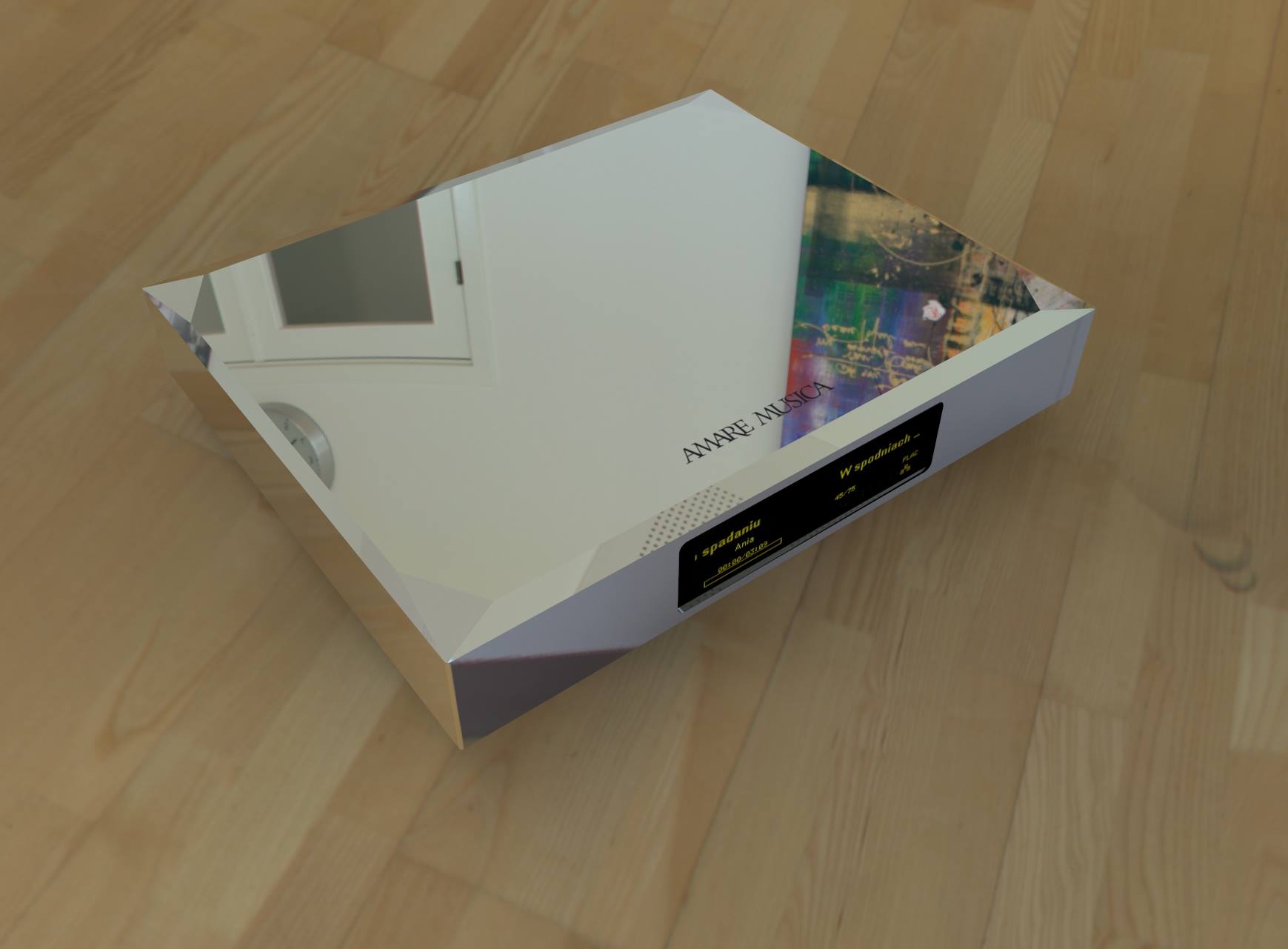
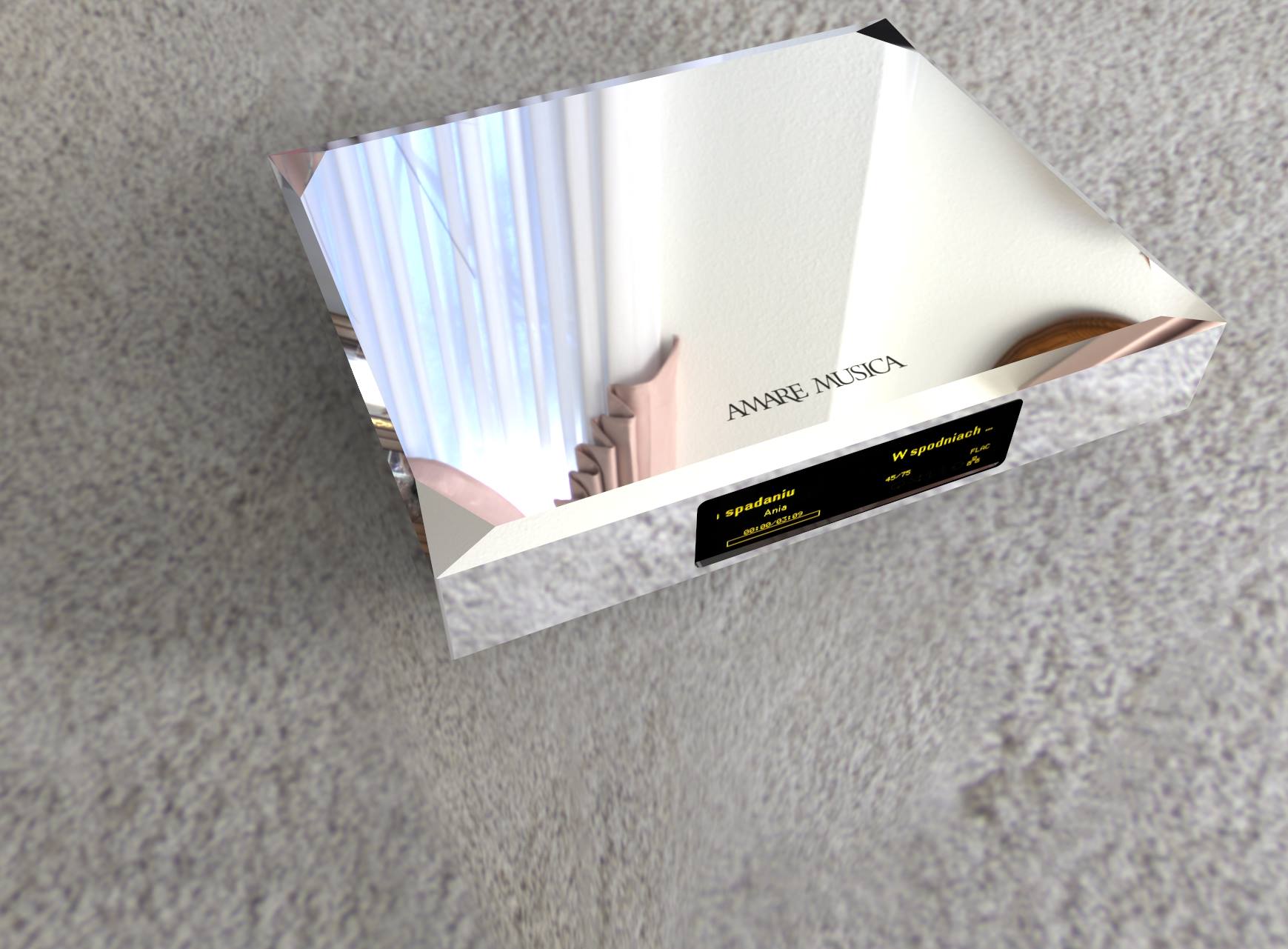
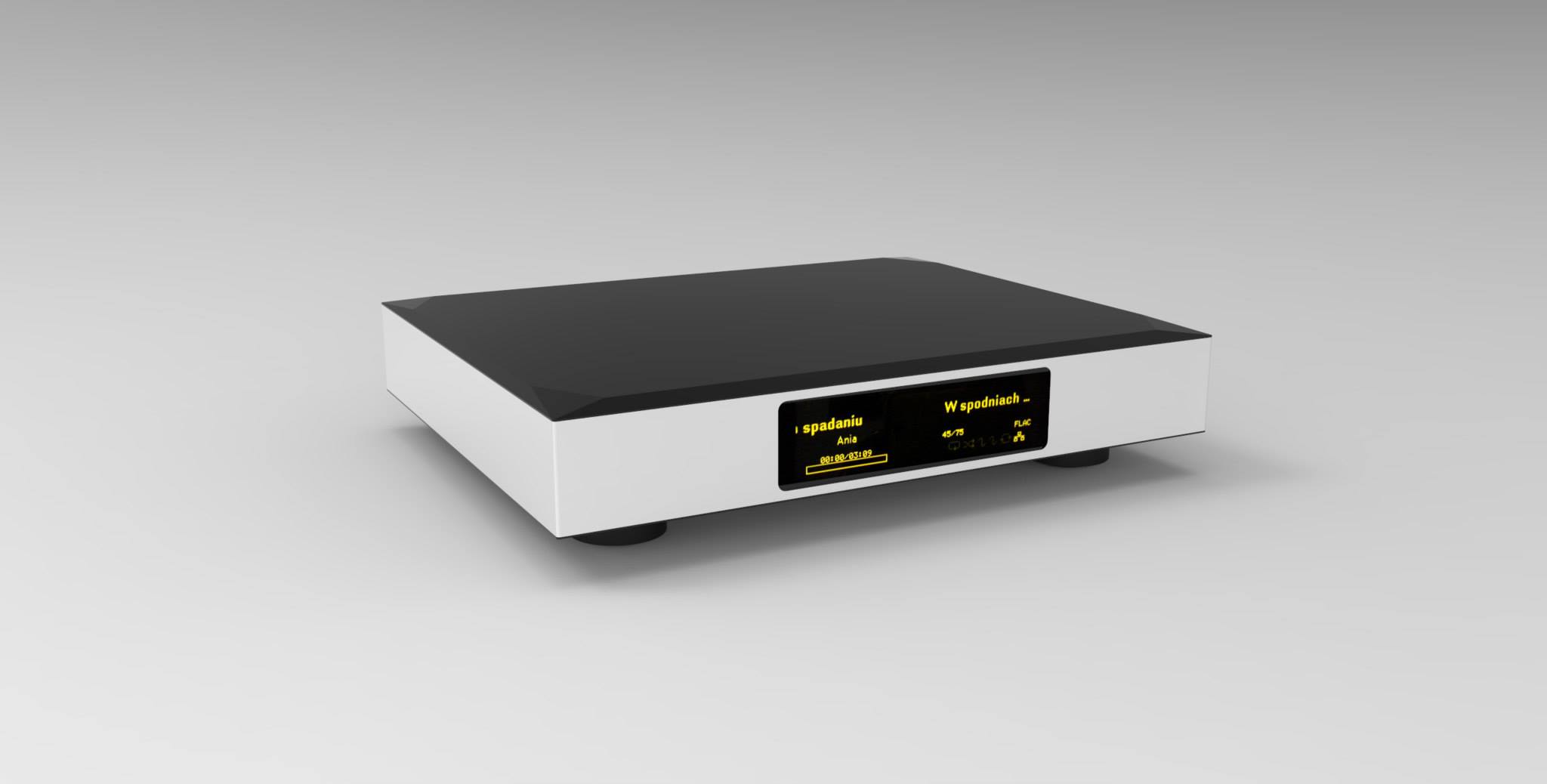
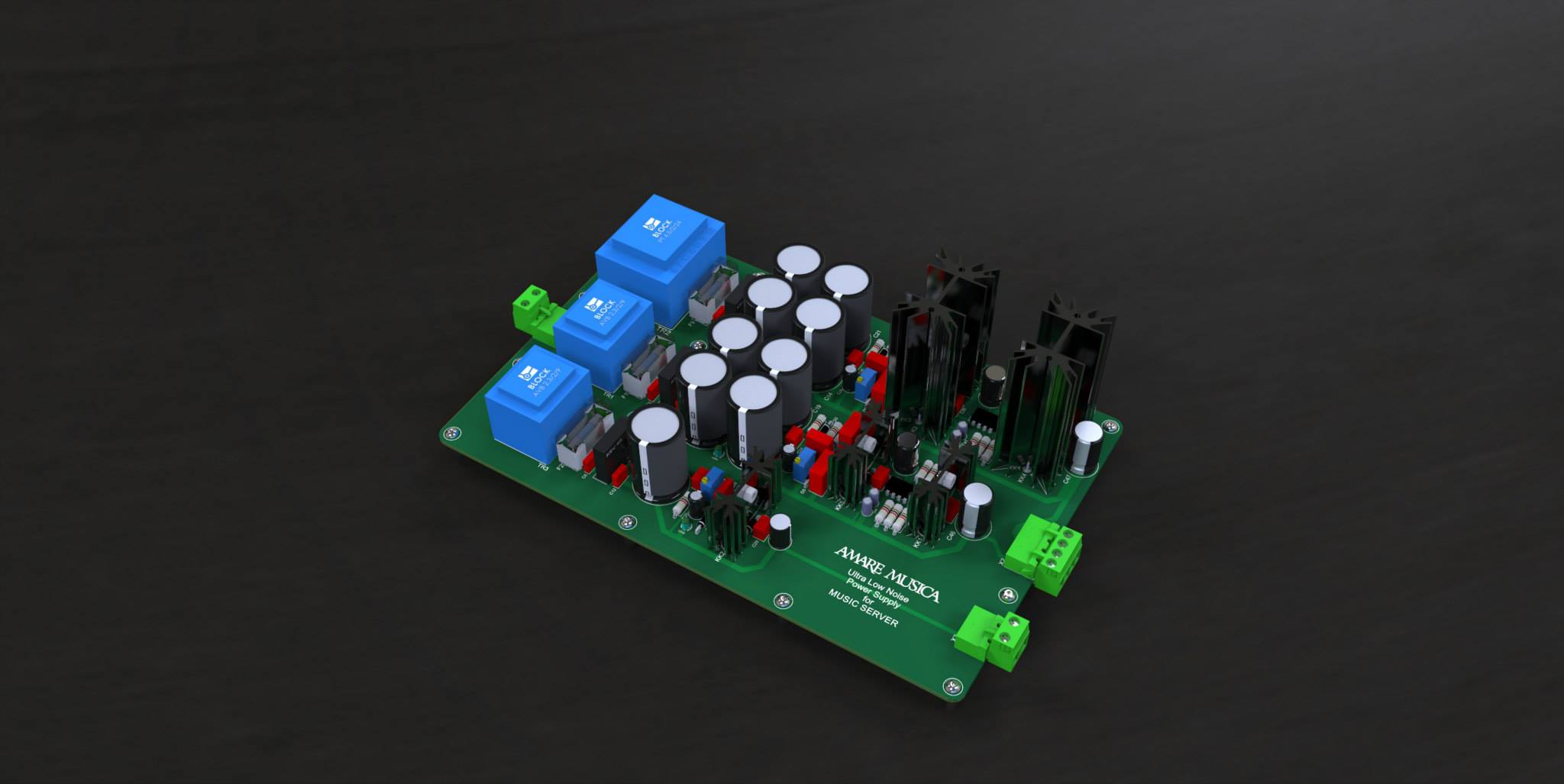
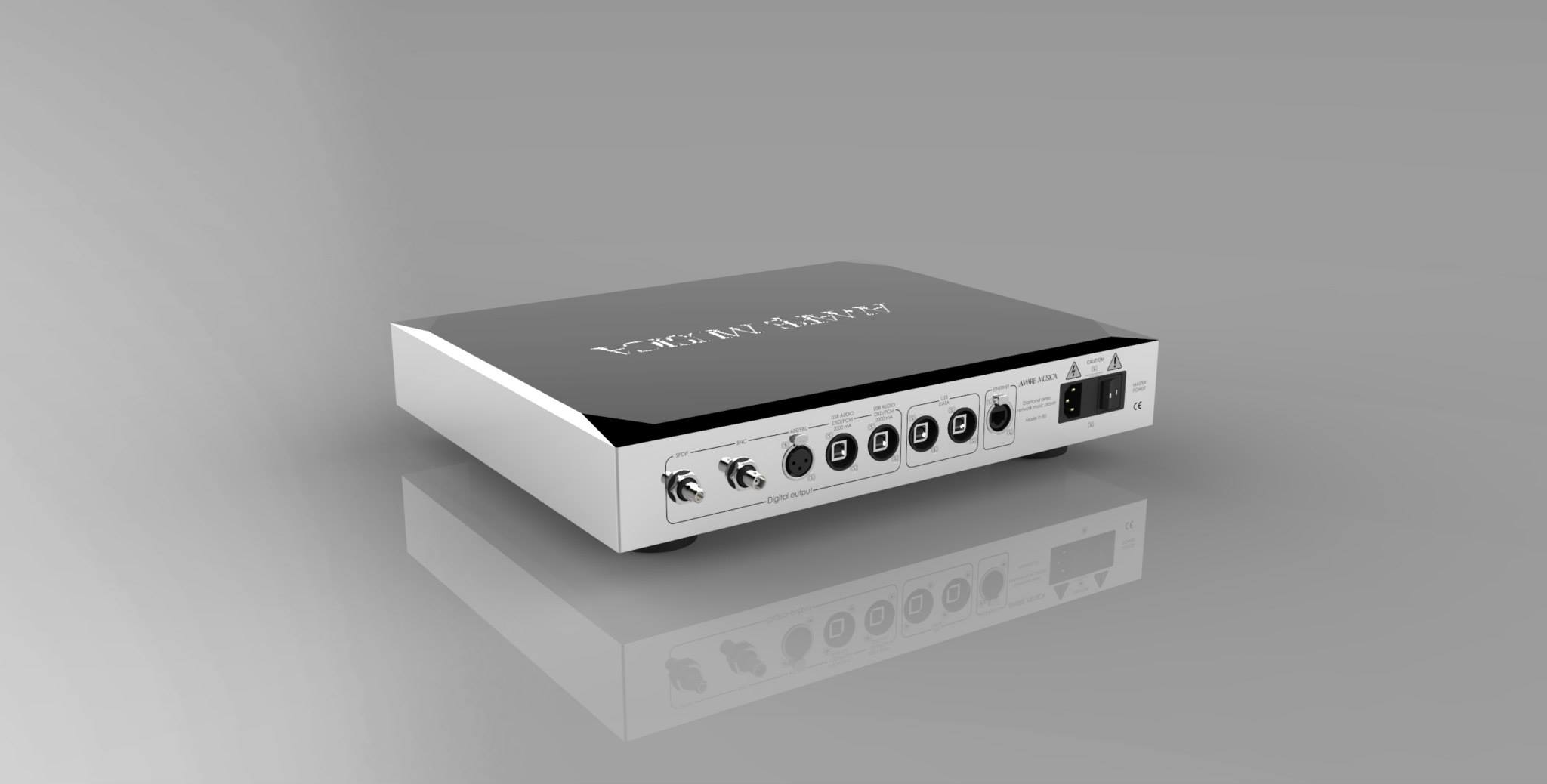
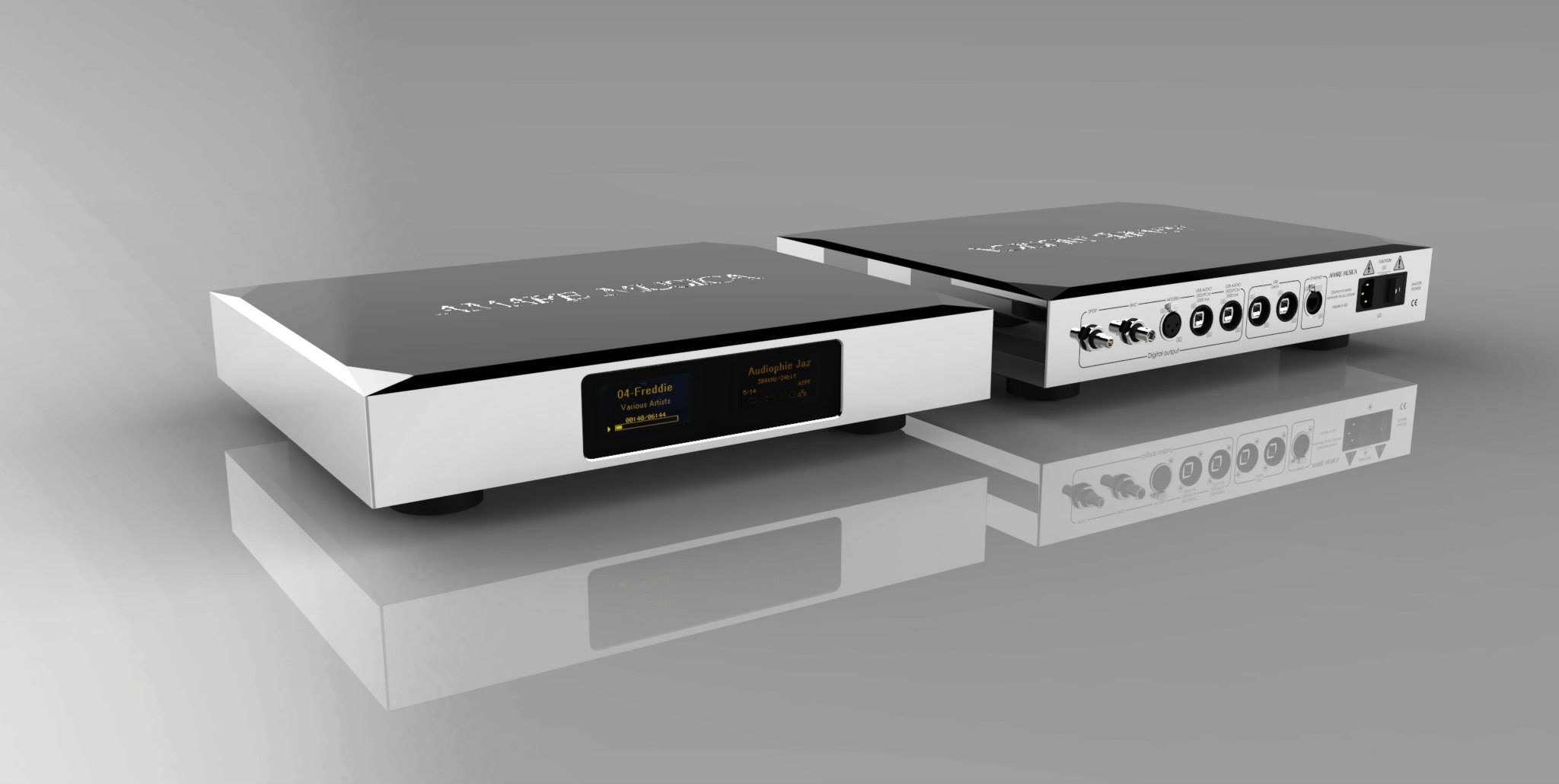
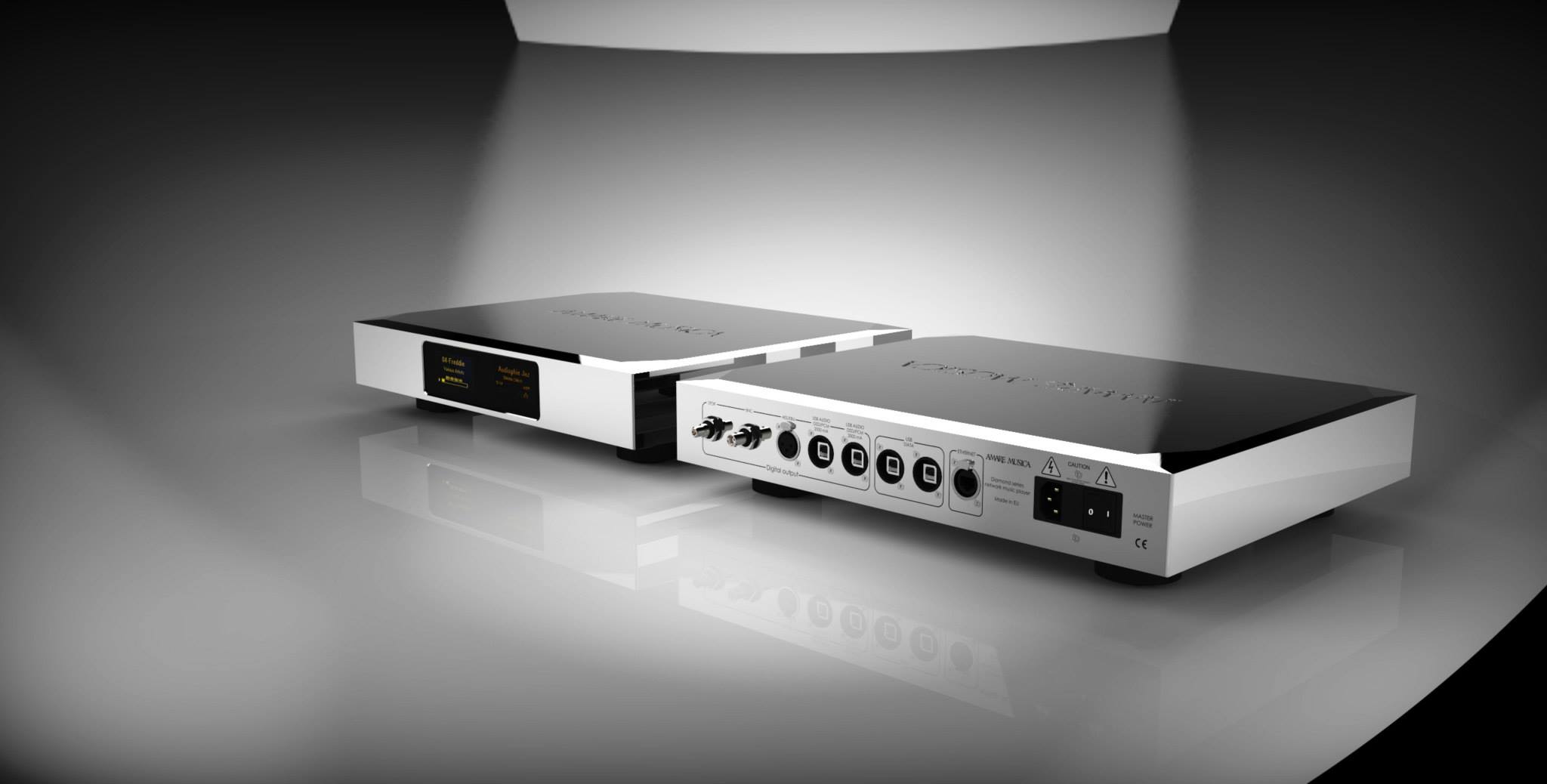
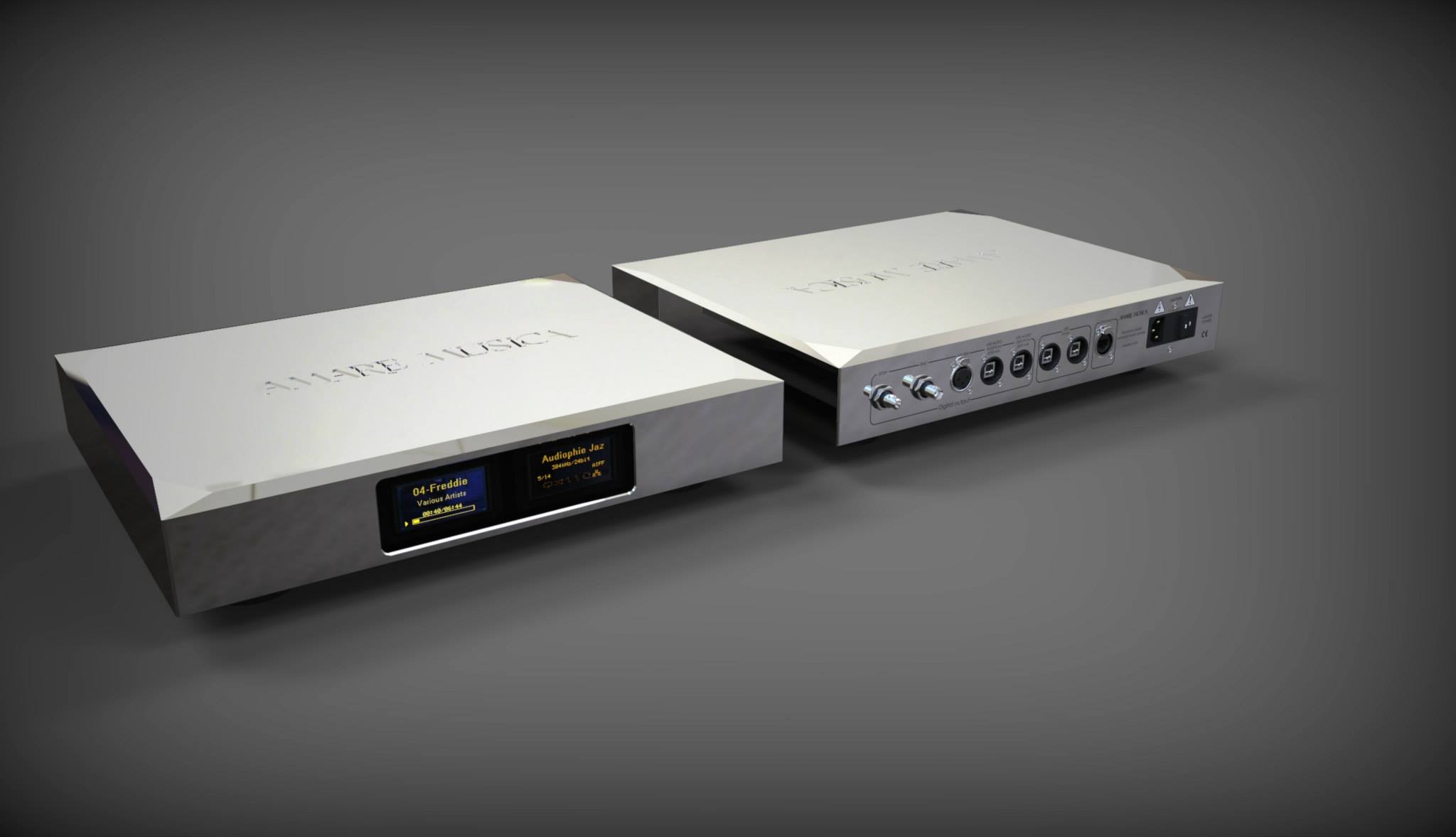
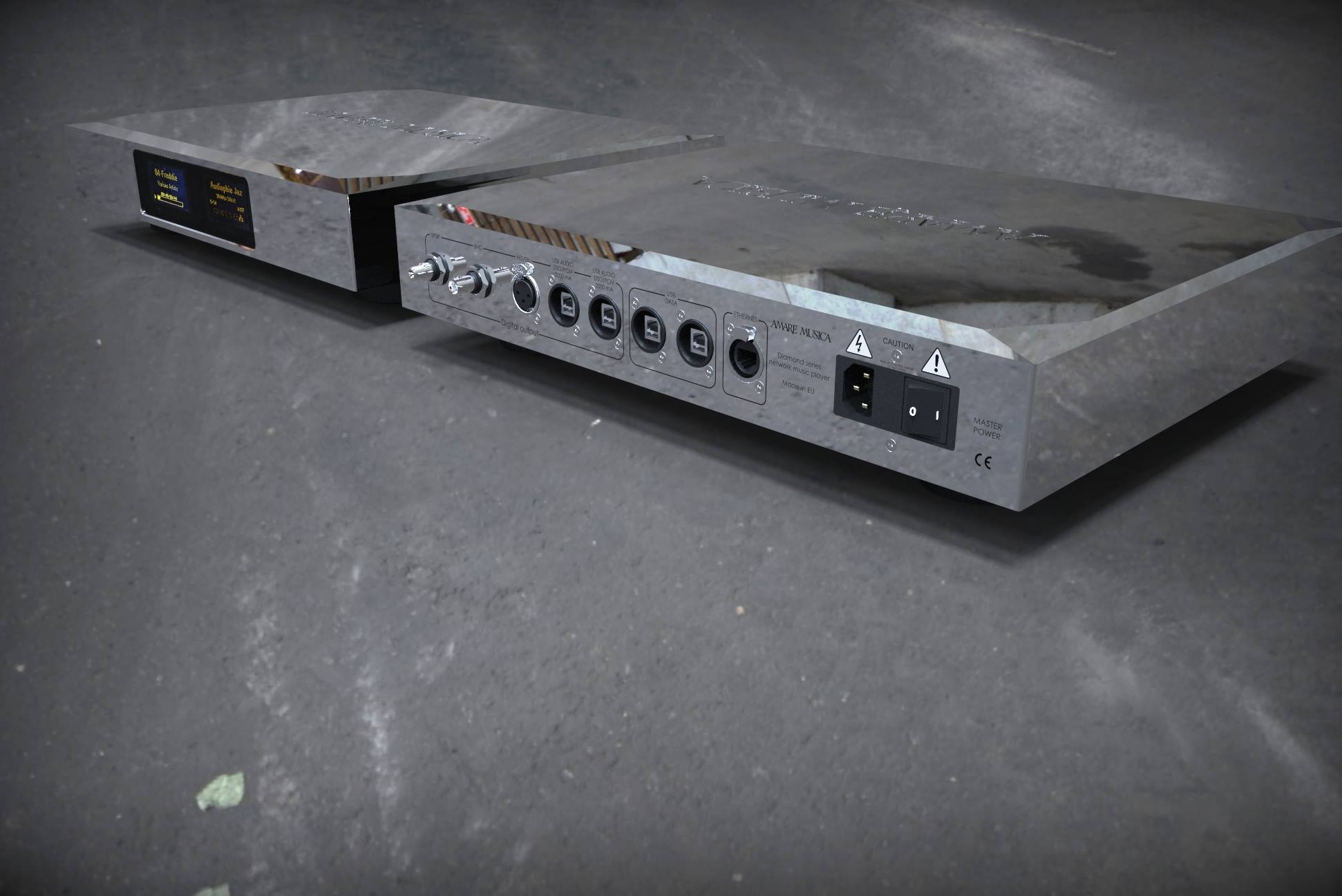
Amare Musica Diamond audiophile music server
spec wav,flac,app ,dsd Digital Input:
Coaxial: 16-24bit / 44.1k / 48k / 88.2k / 96k / 176.4k / 192k
AES/EBU: 16-24bit / 44.1k / 48k / 88.2k / 96k / 176.4k / 192k
USB: 16-32bit / 44.1k / 48k / 88.2k / 96k / 176.4k / 192k / 352.8k / 384k
DSD×64(2.8224MHz)/ DSD×128(5.6448MHz
-
 發文規則
發文規則
- 您不可以發表新主題
- 您不可以發表回覆
- 您不可以上傳附件
- 您不可以編輯自己的文章
-
討論區規則
|






 回覆時引用此篇文章